

Two days isn’t much time. But if you’ve only got 48 hours in Kigali, you can still catch the city’s rhythm, taste what makes it different, and understand why people who visit once tend to come back.
This isn’t the “hit every tourist attraction” guide. It’s what I’d actually tell friends visiting for the first time the mix of essential experiences and quieter moments that show you what Kigali really feels like.
Day One: Understanding Kigali
Morning: Coffee and Context (7:30 AM – 11:00 AM)

Start at Question Coffee in Gishushu. The beans come from Rwandan farms, roasted on-site, served by people who care. Grab a flat white and breakfast. Watch the city wake up locals on laptops, business travelers, expats meeting friends. It’s Kigali in miniature.
From there, the Kigali Genocide Memorial. This isn’t optional if you want to understand Rwanda. The permanent exhibition walks through the country’s history before, during, and after 1994. It’s comprehensive, unflinching, and essential. The gardens outside offer space to process.
Plan two hours minimum. Don’t rush this. Everything else can wait.
Lunch: Real Rwandan Food (12:00 PM – 1:30 PM)
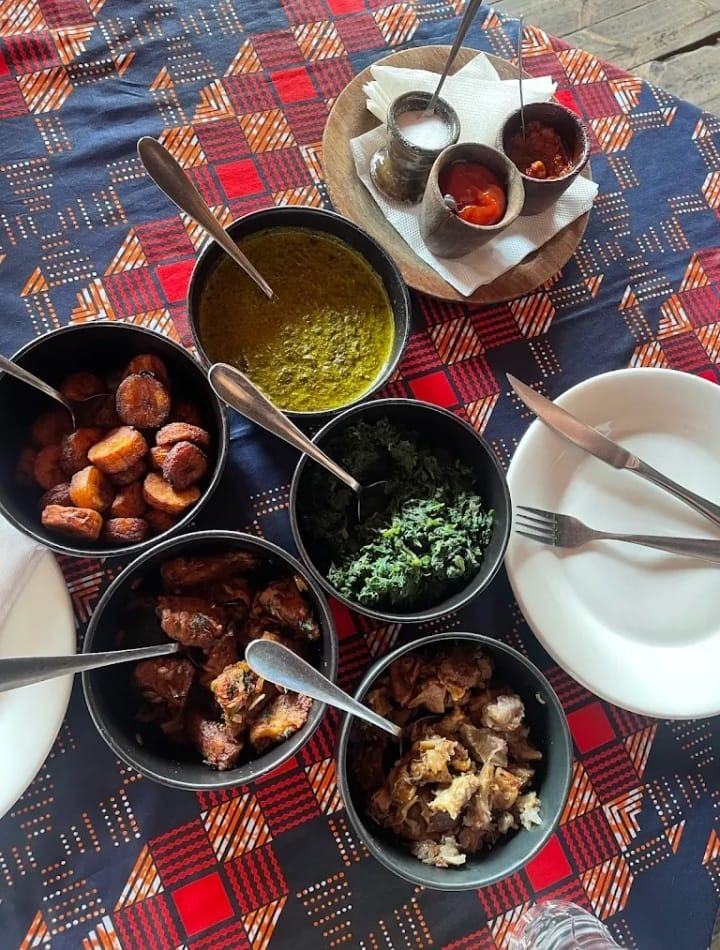
Repub Lounge in Kimihurura serves actual Rwandan food in an environment that respects both tradition and contemporary taste. Try the buffet matoke (cooked plantains), isombe (cassava leaves), sambaza (small fish from Lake Kivu). Or stick with the consistently excellent grilled goat.
The space itself tells you about Kigali’s direction locally made furniture, Rwandan art, Virunga beer, and a genuinely local crowd.
Afternoon: Markets and Making (2:00 PM – 5:30 PM)
Kimironko Market is where actual Kigali shops. Fresh produce, brilliant kitenge fabrics, traditional baskets, second hand clothing. The experience isn’t about buying though grab some baskets as gifts. It’s about watching a city function when tourists aren’t the audience.
Budget an hour, but you could easily spend two if you’re curious.
After Kimironko, head to Inema Arts Center in Kacyiru. Young artists reimagining Rwanda through contemporary work that references tradition without being trapped by it. The gallery hosts rotating exhibitions, artists often work on-site, and they’re usually happy to talk. Even if you’re not buying, the visit shows creativity most itineraries miss.
Evening: Sunset and Dinner (6:00 PM – 9:30 PM)
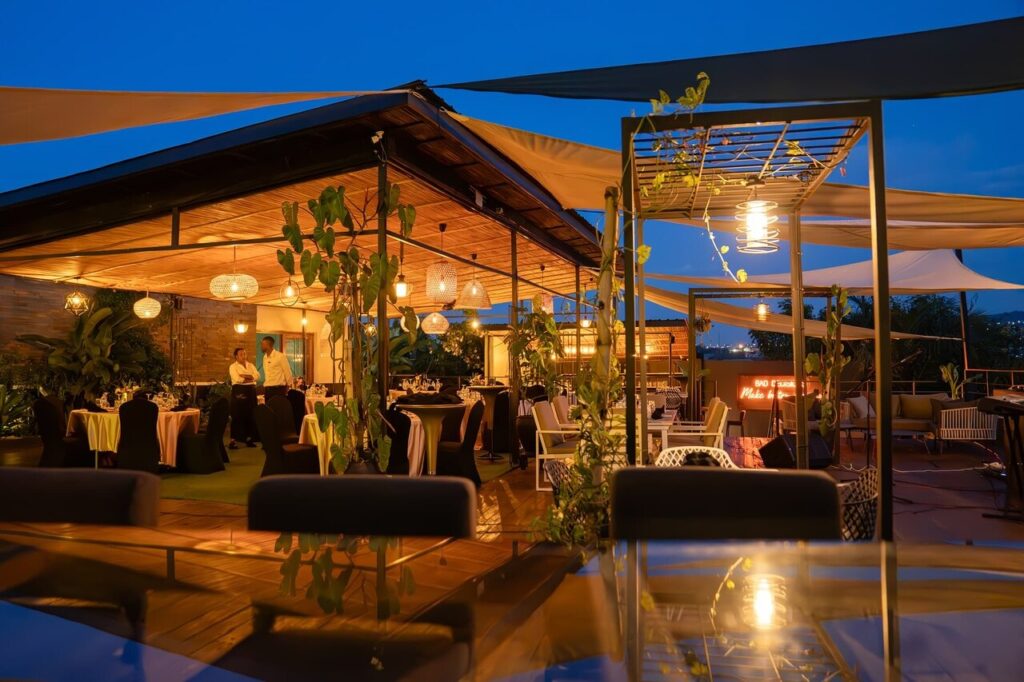
Drive to Mount Kigali for sunset views. Fazenda Sengha at the top offers drinks, casual food, and panoramic views of the city spreading across its hills. This is when the “thousand hills” nickname makes complete sense.
For dinner, choose your vibe:
Elevated dining: Poivre Noir in Kiyovu French inspired cuisine with Rwandan ingredients, intimate atmosphere, solid wine list.
Authentic and lively: Nyamirambo neighborhood brochette spots grilled meat skewers, fries, Primus beer, street-side seating. How locals spend Friday nights.
Easy option: Quality hotel restaurants in areas like Nyarutarama. Sometimes the best choice is eating well without going anywhere.
End the night early. Day two starts with movement.
Day Two: Experiencing Kigali
Morning: Movement and Milk (7:00 AM – 11:00 AM)

If it’s Car-Free Day (second and fourth Sunday monthly), get out early. Major roads close, the city fills with cyclists and joggers. Kigali at its most community-oriented.
Otherwise, walk through Nyamirambo, the Muslim quarter. Denser, louder, more colorful than manicured districts. The real reason to come: milk bars. Small shops serving fresh steamed cow’s milk plain or with cocoa, honey, or tea.
Find one marked “Amata Meza” with a cow painted on the door. Order a glass. It costs almost nothing, tastes incredibly fresh, and gives you a glimpse into daily life tourists rarely see. Pair it with a banana. Watch the neighborhood move.
Late Morning: Art and Coffee Part Two (11:00 AM – 1:00 PM)
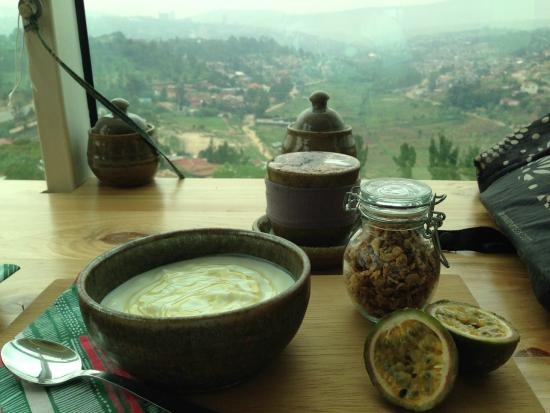
Inzora Rooftop Café in Kimihuruma 360 degree city views, decent food, bohemian atmosphere. Where expats, returnees, and creative locals overlap. Order the Rwandan coffee tasting if available. You’ll try beans from different regions and understand how altitude affects flavor.
Lunch: Your Choice (1:00 PM – 2:30 PM)
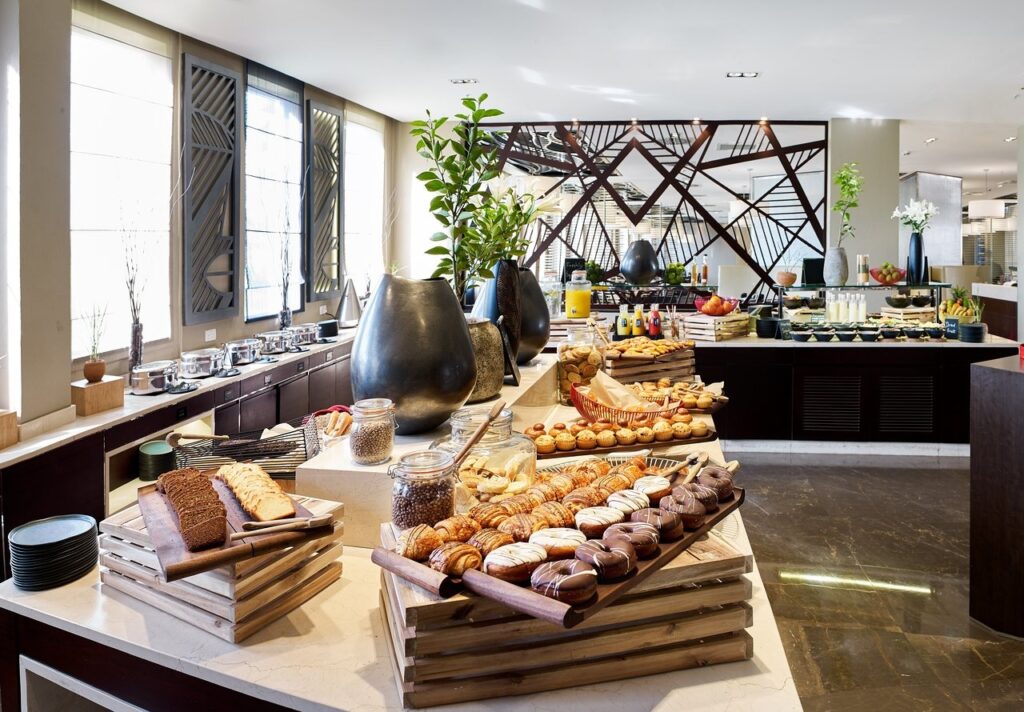
By now you know what you’re craving:
- Asian: Soy Asian Table (excellent dumplings)
- Italian: Sole Luna (Kigali’s pizzeria since 2001)
- Indian: Khana Khazana (proper spiced food)
Afternoon: Final Wanders (2:30 PM – 5:30 PM)
Choose based on what’s calling you:
Nature: Mount Kigali hiking trail not difficult, pine forest, possible monkeys.
Shopping: Craft cooperatives like Azizi Life or Umutima for quality baskets and fabrics.
Modern Kigali: Kigali Convention Centre area architecturally striking, shows the city’s aspirations.
Quiet reflection: Some return to the Genocide Memorial gardens for processing and peace.
Evening: Last Dinner (6:00 PM – Late)
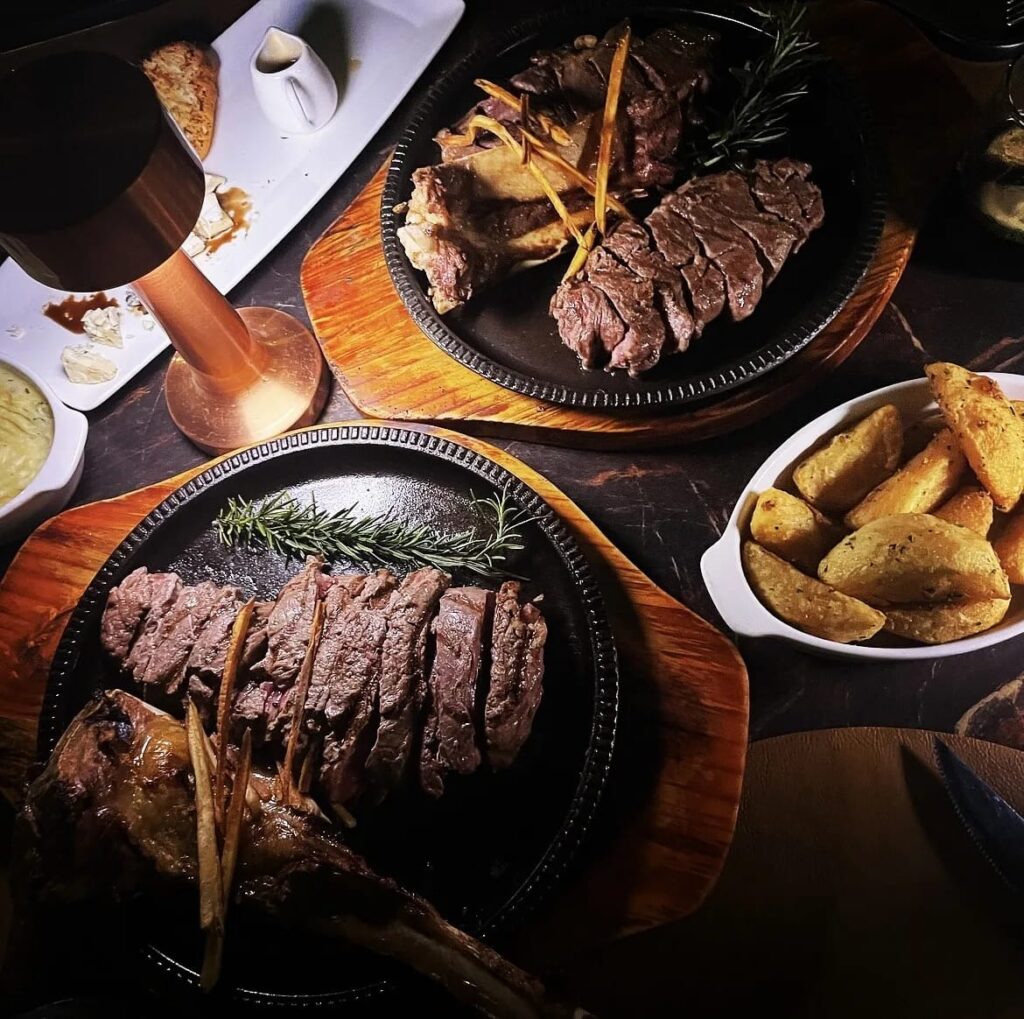
For special: Heaven Restaurant in Kiyovu training opportunities for young Rwandans, genuinely good food, unbeatable sunset views, social enterprise support.
For adventurous: Nyamirambo nightlife bars and clubs where locals actually go.
Or just return to your hotel. Two days of Kigali done right leaves you satisfied but tired.
What This Itinerary Skips
Forty-eight hours means choices. We’re leaving out the Presidential Palace Museum, Caplaki Craft Village, Niyo Art Gallery, and day trips to Akagera, Nyungwe, or Lake Kivu. All require more time. Swap anything if it speaks to you more.
Practical Tips Worth Knowing
Transport: Download Move and Yego apps. Motos are cheap, fast, safe. Always wear the helmet.
Money: Cash for markets and smaller spots. Cards work at established places.
Dress: Kigali is conservative. Shoulders and knees covered shows respect.
Language: Kinyarwanda is official, but French and English work. Try “muraho” (hello) and “murakoze” (thank you).
Plastic: Rwanda banned plastic bags. Seriously enforced.
Safety: Safe by regional standards. Normal urban awareness applies.
Genocide respect: Don’t ask about ethnicity. Don’t photograph memorials without permission.
Where to Stay for This Itinerary
Location matters for 48 hours. You don’t have time to waste on transit.
Properties in Nyarutarama like The Little Hill Hotel offer quiet hilltop locations 15 minutes from anywhere that matters. You get actual rest between intensive days, views that remind you why you came, and boutique service that makes short stays more efficient.
The Reality of 48 Hours
Forty-eight hours in any city is a tease. You get flavor, not depth.
But Kigali rewards even brief visits. Compact enough to grasp in two days, complex enough to make you want longer. Most people leave thinking: “I didn’t expect this” and “I’ll come back.”
The first happens because Kigali breaks assumptions about African citiescleaner, safer, more organized than expected. The second happens because two days shows you enough to know what you’re missing.
You’ll miss the gorilla trekking, Lake Kivu’s beaches, deeper dives into history, slower mornings without itineraries. But you’ll catch what matters: the resilience in memorial gardens, pride in spotless streets, ambition in new construction, creativity in art centers, and everyday grace of people rebuilding a nation one interaction at a time.
When you leave, you’ll understand why people compare Kigali to Singapore though that flattens something more interesting. Rwanda isn’t copying anyone. It’s building its own model, and Kigali is the laboratory.
The places to visit in Rwanda extend far beyond the capital. But starting here gives context for everything else. Two days can’t teach you Rwanda. But they can show you enough to respect it.
Plan your stay at The Little Hill Hotel and experience the city from a base designed for travelers who value rest as much as exploration.
Need recommendations beyond this Kigali 2-day itinerary? Contact us for personalized advice from people who actually live here.