

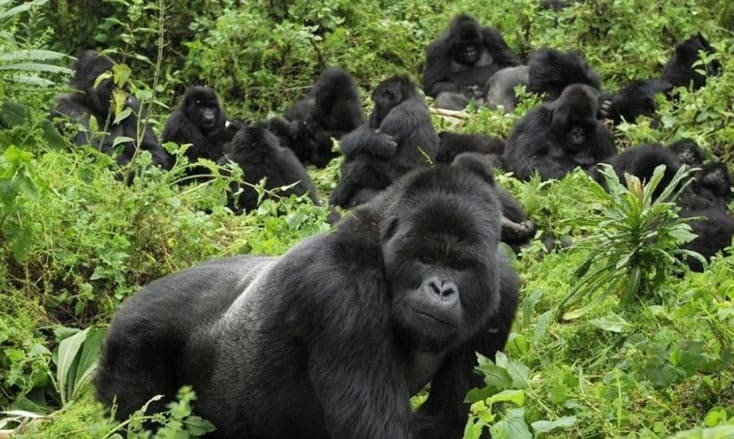
Meeting a mountain gorilla changes you. Not in the cliché way travel brochures promise transformation, but in the specific, visceral way that happens when a 400 pound silverback looks directly at you and you remember physically remember, that you’re both primates sharing this planet.
Planning a gorilla adventure for 2026 requires more than booking flights and hoping for the best. Permits sell out months ahead, seasons matter more than you’d think, and the difference between a mediocre trek and an unforgettable one often comes down to details most first timers don’t know to ask about.
Here’s what actually matters when planning your Rwanda gorilla experience.
Understanding Volcanoes National Park Permits
The 2026 permit cost is $1,500 for international visitors, $500 for African residents, and $200 for Rwandans and East African Community nationals. These prices hold steady throughout the year Rwanda doesn’t offer seasonal discounts like neighboring Uganda.
That price includes park entry, experienced guides and trackers, one hour with your assigned gorilla family, and a certificate afterward. It doesn’t include accommodation, transport, porter fees, or tips.
Here’s what makes that number significant: only 96 permits are available daily 12 habituated gorilla families with a maximum of 8 visitors each. This isn’t artificial scarcity. It’s conservation. Fewer humans mean less disease transmission, less stress on the gorillas, and a genuinely intimate experience rather than a wildlife traffic jam.
Permits sell out 6-12 months ahead during peak season. If you’re planning for June through September 2026, you should be booking now. December through February fills almost as quickly.
How to Actually Get Your Permit
You have two options: book directly through the Rwanda Development Board or use a licensed tour operator.
Direct booking sounds appealing if you’re DIY minded, but tour operators handle logistics most people underestimate matching your permit date with available accommodation near the park, arranging reliable transport from Kigali, coordinating porters, managing timing so you’re not rushing or waiting.
The tour operator route costs more but eliminates the stress of coordinating moving parts across a country you’ve never visited. For most travelers, it’s worth it.
Critical detail: permits are non transferable and non-refundable. If you get sick, miss your trek, or simply change your mind, that $1,500 is gone. Travel insurance that covers adventure activities is non negotiable.
Choosing When to Go: Seasons Matter
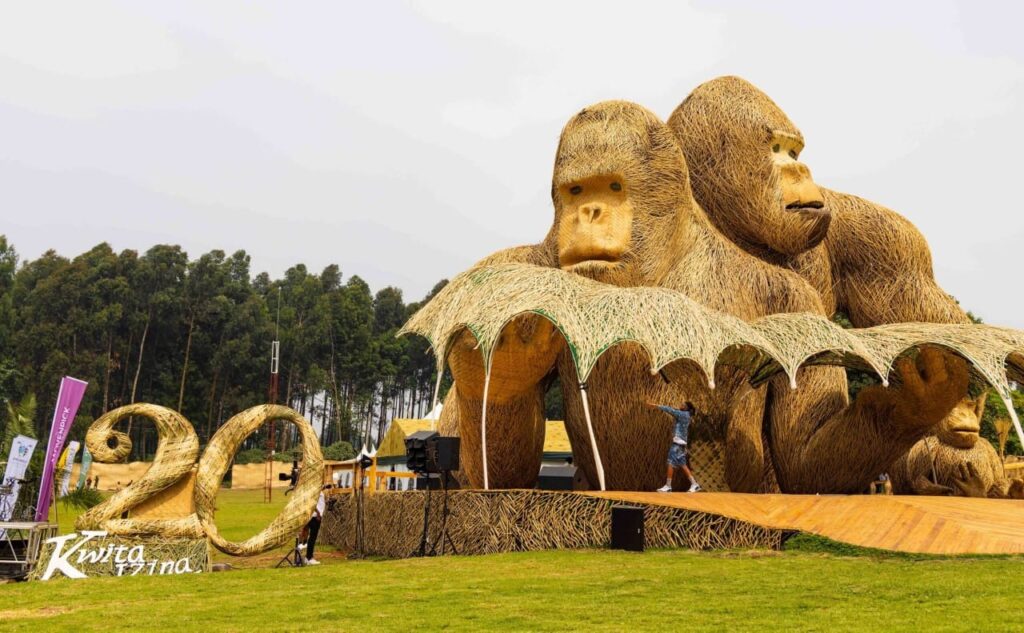
Gorilla trekking happens year round, but your experience will differ dramatically depending on when you visit.
Best Times for Your Safari Rwanda
The optimal windows are June through September (long dry season) and mid-December through February (short dry season). These months offer:
Easier trails: Less mud means less slipping on steep sections while tracking gorillas through dense forest.
Better visibility: Thinner vegetation makes spotting gorillas simpler and photography more rewarding.
More comfortable trekking: Cooler, drier conditions mean you’re not simultaneously navigating muddy slopes while being soaked by rain.
Higher permit competition: Everyone wants these months, so book early or accept you’ll get dates on the edges of the season.
The Rainy Season Reality
March through May brings the long rains, with April seeing the heaviest downpours. October through November is the short rainy season.
Most guides warn you off these months. But here’s what they don’t always mention: the gorillas are always there. Rain doesn’t make them disappear. In fact, gorillas often move to lower, more accessible slopes during heavy rain, making encounters sometimes easier.
The trade offs are real muddy trails, potential for being soaked despite rain gear, more challenging hiking. But you also get fewer tourists, a rainforest at its most lush and alive, and occasionally better availability for permits.
If you’re reasonably fit and don’t mind getting muddy, the rainy season offers a different kind of gorilla adventure. Just come prepared with proper waterproof clothing and boots with serious grip.
Preparing for the Trek: Gorilla Tour Tips That Matter
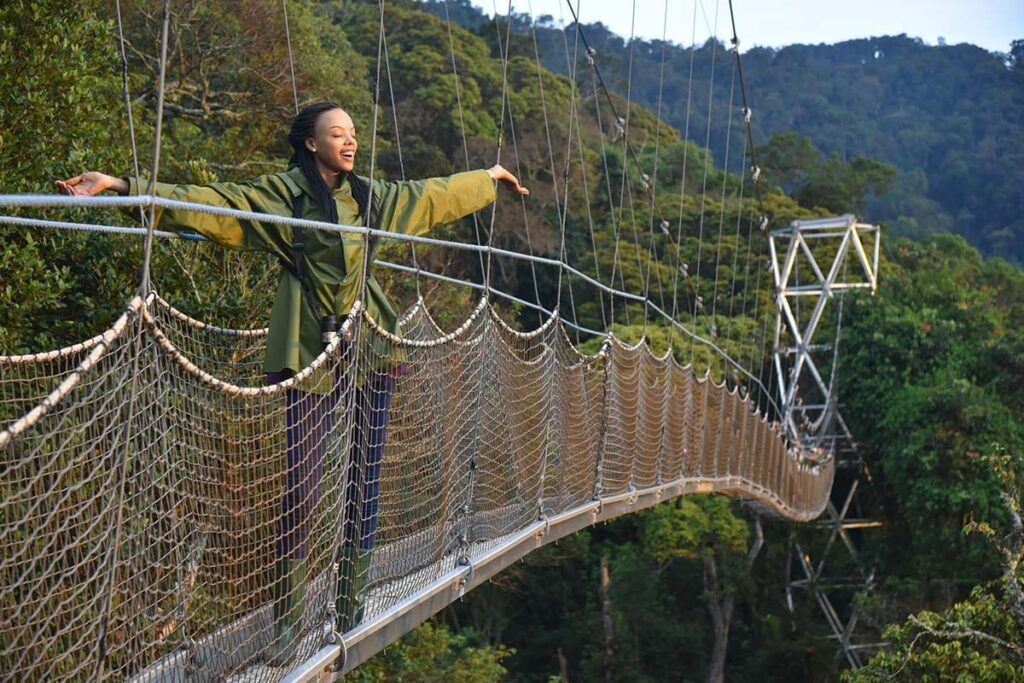
Physical Fitness
The trek difficulty varies wildly depending on which family you’re assigned and where they’re located that day. You might hike 30 minutes. You might hike four hours, much of it steep and at altitude.
Volcanoes National Park sits at elevations between 2,400 and 4,507 meters. Even if you’re fit at sea level, altitude affects breathing and stamina. Build in a day or two to acclimatize before your trek if possible.
Basic preparation helps: cardio fitness for sustained hiking, leg strength for steep inclines, and flexibility for navigating obstacles like fallen trees or thick vegetation.
What to Actually Pack
Sturdy hiking boots: Not negotiable. The terrain gets muddy and steep. Boots need ankle support and aggressive tread.
Long pants and long sleeves: Protects against stinging nettles and thorns. Many people wear gardening gloves for grabbing vegetation while climbing.
Rain gear: Even in dry season. Weather changes fast in the mountains.
Layers: Morning starts cold; hiking warms you up; standing with gorillas cools you down again.
Daypack: Small and light. Porters carry it during the trek, but you’ll want water, snacks, and camera accessible.
Good camera: Phones work, but a decent camera with fast autofocus captures better moments. No flash allowed gorillas don’t appreciate it.
The Porter Decision
Porters cost just $10 and provide invaluable help navigating steep, muddy sections while carrying your pack. They’re also local community members for whom this income matters significantly.
Even if you’re fit and think you don’t need help, hiring a porter supports the community and ensures someone’s there if you do need assistance. It’s $10 well spent.
The Trek Day Experience
You’ll start early most parks require arrival at headquarters by 7 or 7:30 AM for briefing. This covers rules (no touching gorillas, maintain 7 meter distance, what to do if a gorilla charges, where you can and can’t point cameras), group assignments, and guide introductions.
Rangers track gorilla families before dawn, radioing locations to guides. You’re assigned based on fitness level, family location, and permit availability. You don’t choose your family, but each offers unique dynamics worth experiencing.
The hike begins. Could be 20 minutes. Could be several hours. Trackers continue monitoring gorilla movements via radio, adjusting your route to intercept the family.
Then you find them. And everything changes.
You get one hour. Sixty minutes with some of the planet’s most endangered primates in their actual habitat. Silverbacks lounging. Mothers nursing infants. Juveniles playing and occasionally showing off for visitors. The experience transcends “wildlife viewing” it feels more like being temporarily welcomed into another family’s living room.
The hour passes impossibly fast. You hike back out. You’re muddy, tired, exhilarated, and already planning your return trip.
Beyond the Trek: Making the Most of Your Gorilla Adventure
Where to Stay
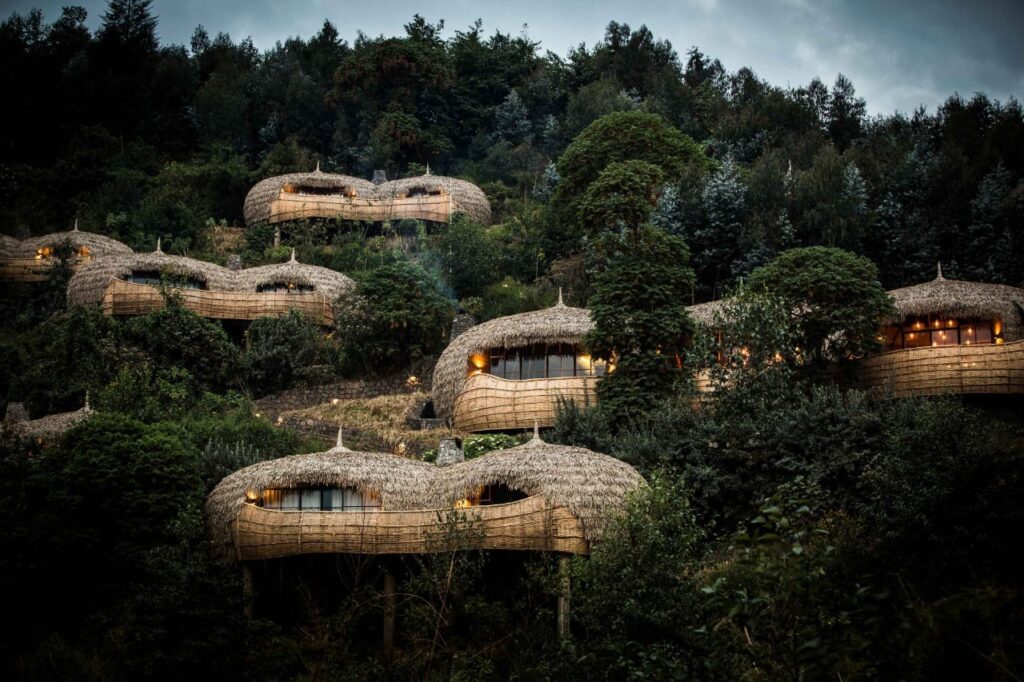
You want accommodation near Volcanoes National Park specifically around Musanze/Ruhengeri area. The drive from Kigali takes 2-3 hours, manageable but not something you want to do at 5 AM on trek day.
Options range from budget guesthouses ($50-120/night) to luxury lodges like Bisate or Singita Kwitonda where rooms can exceed $1,000 nightly. Mid-range properties around $150-300 offer comfortable bases without the luxury markup.
For travelers combining gorilla trekking with time in Kigali, staying at The Little Hill Hotel in Nyarutarama creates a peaceful base before or after your adventure. The quiet hilltop location offers recovery space after intense trekking days, while remaining close enough to the airport (10km) for easy transfers.
Combining Experiences
Most people don’t fly internationally just for one day of gorilla trekking. Common combinations include:
Golden monkey trekking: Also in Volcanoes National Park, less expensive permits, different experience.
Akagera National Park: Rwanda’s savanna park with traditional Big Five safari experiences, 2.5 hours from Kigali.
Lake Kivu: Relaxation on Rwanda’s stunning lakeside, perfect for unwinding post-trek.
Cultural experiences: Visiting Iby’iwacu Cultural Village near Volcanoes National Park offers context on local communities and former poachers turned conservationists.
A well-planned safari Rwanda itinerary typically spans 5-7 days minimum arrival day in Kigali, travel day to Volcanoes, trek day, return to Kigali or onward to another destination, plus buffer for unexpected delays.
Health and Safety Considerations
Vaccinations and Health
Yellow fever vaccination is required if you’re arriving from countries where it’s endemic. Recommendations include hepatitis A and B, typhoid, and tetanus. Malaria risk exists but is low in Kigali and at Volcanoes’ altitude.
The bigger health concern: human diseases transfer to gorillas. If you’re sick even a mild cold you cannot trek. The parks are strict about this. It’s not about your experience; it’s about protecting critically endangered animals from pathogens they have no immunity against.
Plan buffer days around your trek for this reason. If you wake up with a cold on trek day, you need alternative plans.
Safety with Gorillas
Habituated doesn’t mean tame. These are wild animals. Rangers enforce strict protocols: maintain 7 meters distance, no flash photography, no eating near gorillas, no sudden movements.
If a gorilla approaches you, you stand still or slowly back away. If a silverback charges, you crouch and look down showing submission. Rangers manage these situations, but your compliance with rules keeps everyone safe.
Actual attacks are extremely rare. The bigger risks are tripping on muddy trails or twisting an ankle on uneven ground. Watch your footing more than the gorillas.
Final Practical Details
Money Matters
Budget for:
- Permit: $1,500
- Accommodation: $100-500/night depending on choice
- Transport: $140+ for vehicle rental or arrange through tour operator
- Porter: $10
- Tips: $10-20 for guide/trackers, $5-10 for driver
- Meals: $10-30 depending on where you’re eating
Total budget for a basic 3-day gorilla trip (Kigali-Volcanoes-Kigali): $2,000-2,500 minimum. Luxury versions easily exceed $5,000.
Travel Logistics
Fly into Kigali International Airport. Volcanoes National Park is only a 2-3 hour drive from the capital, making Rwanda’s gorillas more accessible than Uganda’s, which require longer overland travel or domestic flights.
Visa-on-arrival or e-visa works for most nationalities. The process is straightforward.
The Conservation Context
Your expensive permit directly funds gorilla conservation, ranger salaries, anti-poaching efforts, veterinary care, and community programs that give locals economic incentives to protect rather than poach gorillas.
Mountain gorilla populations have actually increased in recent years from fewer than 700 in the 1980s to over 1,000 today. Tourism revenue is a major reason why. Your trek isn’t just personal adventure; it’s participation in one of conservation’s genuine success stories.
Making It Happen
Planning a gorilla adventure for 2026 starts with three decisions: when you can travel, how much you want to spend, and whether you’re comfortable coordinating details yourself or prefer working with tour operators.
From there, the path is straightforward: book permits as early as possible, arrange accommodation near the park, prepare physically for altitude and hiking, and show up ready for an experience that will genuinely stay with you for years.
The mountain gorillas of Rwanda aren’t a tourist attraction. They’re families living their lives in one of the planet’s last intact montane forests. For one hour, you get to witness that life up close. Plan well, respect the process, and prepare for something legitimately extraordinary.
Start planning your Rwanda gorilla adventure with The Little Hill Hotel as your Kigali base where peaceful recovery meets easy access to both the airport and Volcanoes National Park.
Ready to make your gorilla adventure real? Contact us for accommodation that understands what travelers need before and after life-changing treks.